Why Scientific Innovation is Transforming Skincare in Australia

Evolution of Skincare Science
Historical Shifts in Skincare
The evolution of skincare science parallels notable advancements in biology and chemistry. Historically, skincare practices were based on trial and error, but with the advent of modern scientific research, our understanding has matured significantly. Beauty regimens once grounded in simple natural remedies now incorporate complex formulations analogous to intricate molecular reactions studied at institutions like the Melbourne Biotechnology Lab. It's intriguing how our grasp of biochemical interactions informs the potent efficacy of contemporary products such as Montale fragrances, which harmonise art with science.
Key Scientific Breakthroughs
Scientific breakthroughs have shaped skincare dynamics, much like the technological innovations at RMIT University precinct. The emergence of biocompatible formulations and peptide synthesis has revolutionised how ingredients penetrate the skin barrier. Products like GHD hair tools utilise advanced heat technologies, showcasing science's ability to refine traditional knowledge and merge it with cutting-edge research. These advances have enabled treatments such as Olaplex treatments to directly mend hair's inner structure, akin to microsurgical precision in medical advancements.
Role of Research Communities
Research communities, akin to the collaborative spirit at Carlton Gardens research facilities, are pivotal in transforming the skincare industry. Interdisciplinary teams work diligently to push boundaries, ensuring that beauty products are not only effective but also safe. These collaborations are the backbone for innovative products and treatments, providing a fertile ground for projects that blend clinical efficacy with aesthetic appeal. As we continue exploring new horizons, the role of such communities becomes ever more crucial in developing future skincare formulations.
Innovations in Australian Skincare
Indigenous Ingredients and Benefits
Australia is a treasure trove of unique indigenous ingredients that promise transformative benefits in skincare. Indigenous botanicals are gaining attention thanks to their potent bioactive compounds, which offer protective and rejuvenating benefits similar to natural DNA repair mechanisms. Ingredients like Kakadu plum, known for its exceptionally high vitamin C content, and emu bush, which contains antimicrobial properties akin to natural defenses, are leading the charge in offering a new dimension to skincare products facial Sydney. These ingredients, traditionally used by Indigenous peoples, provide a natural and sustainable way to address a multitude of skin concerns.
Sustainable Practices in Production
Sustainability is at the forefront of innovation in the skincare industry. Many brands in Australia are adopting eco-friendly practices that mirror closed-loop systems found in nature, ensuring resources are efficiently reused and waste is minimized. From sourcing to packaging, brands are minimizing their carbon footprint by using biodegradable materials and sustainable energy sources in their production processes. The goal is to create skincare solutions that not only enhance personal beauty but also promote environmental harmony—and such initiatives align well with the ethos of Carlton Gardens research facilities.
Cutting-Edge Formulation Technologies
In recent years, the formulation technologies in the Australian skincare market have undergone significant advancements, shaped by innovations in biotechnology. Techniques similar to the ones used in the RMIT University precinct have been employed to extract and stabilise active compounds in a manner that maximizes their effectiveness when applied topically. For instance, nanoemulsion technology allows for better absorption of ingredients, while encapsulation techniques preserve their potency over longer periods. Additionally, treatments such as Hifu Sydney have incorporated these technologies to enhance skin rejuvenation effects. These cutting-edge technologies ensure that the active constituents in skincare products deliver results that are both visible and enduring.
Impact on Skincare Brands
Collaboration between Science and Beauty
In the dynamic intersection of science and beauty, skincare brands have begun harnessing the potential of biotechnology to develop revolutionary makeup products. This collaboration invites an intriguing parallel to the work at the Melbourne Biotechnology Lab, where innovative research propels scientific boundaries. By integrating scientific methodologies, beauty brands can develop solutions that not only improve skin health but are also evidenced by cutting-edge research. Furthermore, collaborating with scientific institutions enhances the credibility and efficacy of a product, providing consumers with confidence backed by scientific validation.
Enhancing Product Efficacy
Advancements in skincare often stem from the precise formulation and testing reminiscent of RMIT University precinct's rigorous scientific standards. By employing biotechnology, brands are producing more potent and consistent results in products. This precision in formulation significantly enhances product efficacy, allowing consumers to see tangible transformations. For example, incorporating peptides or hyaluronic acid in a meticulous manner can offer profound anti-aging benefits, balancing art and science to refine beauty standards with tangible results.
Transformations in Market Trends
The influence of scientific developments extends beyond formulation into market trends. Just as discoveries at the Carlton Gardens research facilities unveil new scientific frontiers, emerging trends in skincare reflect a shift toward scientifically validated claims. Consumers now demand transparency and effectiveness, echoed by the increasing preference for trial-backed ingredients. Furthermore, the fusion of traditional elements delivers innovative treatments, much like a Medispa Sydney would offer, redefining modern beauty experiences. Through these scientific advancements, skincare brands align with conscious consumerism, reshaping the landscape with integrity and expertise.
Applications for Photographers
Capturing Skincare Effectively
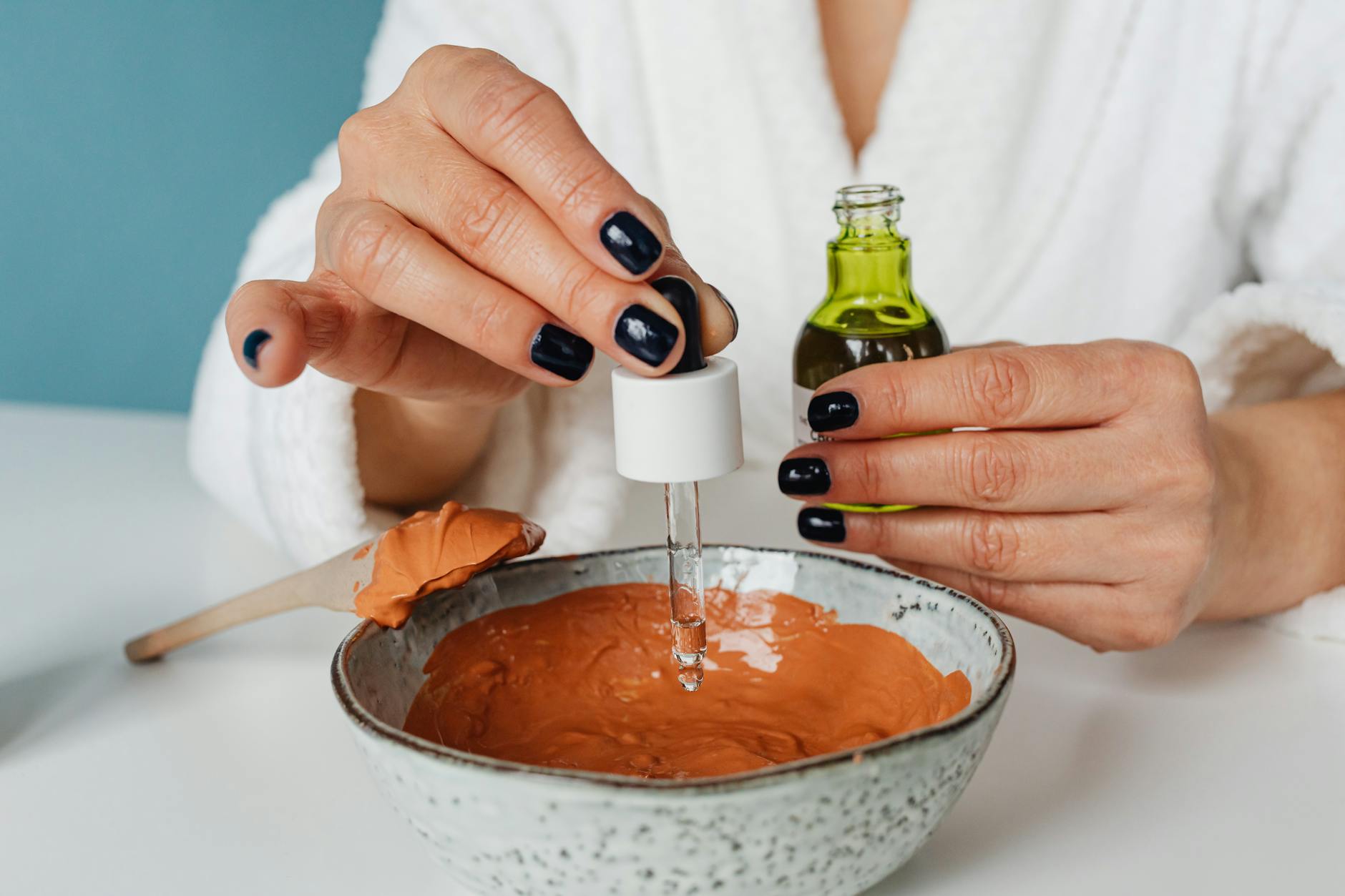
Photographers, particularly those in the beauty and fashion domain, must hone their techniques to accentuate skincare products effectively. It's akin to a scientist in the Melbourne Biotechnology Lab focusing their lens on the minutiae of cell structures. The details matter. Emphasising texture and tone allows you to highlight the unique features of products like those in the Medik8 skincare range. Use diffuse lighting to capture the subtleties of the formulation, creating visuals that speak to the product's sophistication and efficacy.
Strategies for Showcasing Ingredient Uniqueness
Incorporating the essence of a product's ingredients into your shots involves a careful and informed approach. Think of it as a biotechnologist dissecting the genetic makeup of an organism. You can focus on select elements like the nutrient-rich oils or antioxidants in a Balmain Shampoo, which might involve macro shots to draw attention to these unique selling points. This approach not only gives insights into the product's benefits but also highlights its distinctiveness in a competitive market.
Collaborating with Skincare Brands
To make a notable impact, collaborating closely with skincare brands is paramount. Picture yourself as a researcher working with Carlton Gardens' prestigious institutions to co-discover innovative solutions. Engaging with brand narratives and understanding their ethos allows you to align your photographic vision with their objectives. This collaborative effort can foster creative synergies, elevating both the photographic depiction and the brand's representation within the ever-evolving landscape of skincare.
Addressing Challenges in Skincare Innovations
Understanding Consumer Perceptions
Navigating consumer perceptions in skincare innovation requires a delicate balance between tradition and science. Many customers cling to trusted routines, but a skincare course can enlighten both professionals and enthusiasts about the latest advancements. By drawing parallels to shifting paradigms in molecular biology at the Melbourne Biotechnology Lab, it becomes apparent that changing consumer minds is akin to altering protein folding paths—complex but achievable with persistent education. Skincare brands need to bridge these knowledge gaps through transparent communication and evidence-based results.
Overcoming Regulatory Hurdles
Australia's rigorous regulatory landscape in the skincare industry mirrors the procedural scrutiny found in Carlton Gardens research facilities. Innovators face challenges akin to navigating a labyrinth, where each turn represents adherence to new guidelines. Collaborations with institutions like RMIT University and utilising payment solutions for small businesses in research funding can facilitate smoother regulatory navigation. These collaborative efforts foster compliance and potentially fast-track innovation to market, ensuring transformative skin solutions are both effective and safe.
Upholding Ethical Production Standards
Ensuring ethical production standards within the skincare sector requires a sustainable and transparent approach. Echoing the ethos of environmental conservation efforts globally, Australian industries endeavour to reduce their carbon footprint while promoting ethical sourcing of indigenous ingredients. This commitment can be likened to developing sustainable engineering prototypes at RMIT University. Brands must strive for eco-friendly production, ensuring that each pre wedding video campaign reflects their dedication to preserving the natural heritage. By harmonising scientific experimentation with ethical practices, companies pave the way for responsible innovation in skincare.